
 By
By 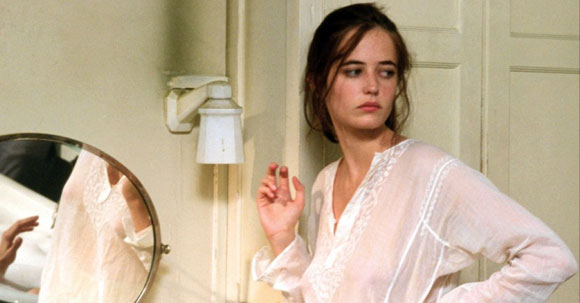
Controversial cinema in the 2000s didn’t just push boundaries, it bulldozed them. This decade produced a wave of films that provoked walkouts, moral outrage, censorship battles and long‑running cultural debates.
These films refused to play safe: they confronted taboo subjects, experimented with form, and challenged audiences to sit with discomfort rather than escape it. Whether through graphic sexual realism, extreme violence or confrontations with institutional power, the 2000s’ most controversial films prompted arguments about artistic freedom, exploitation, censorship and the ethics of representation.

In our look at the decade’s most talked about movies, we illustrate how varied “controversy” can be. For instance, Irreversible shocked viewers with its reverse‑structured descent into brutality, while Baise‑moi ignited censorship battles across Europe.
Elsewhere, Oldboy fused operatic violence with taboo‑breaking twists, and Kinsey reignited moral panic around sexual science. In Britain, 9 Songs blurred the line between art and pornography, and The Magdalene Sisters confronted religious institutions with uncomfortable truths. In addition, The Brown Bunny sparked one of cinema’s most infamous critic‑director feuds.
Together, they form a portrait of a decade when filmmakers pushed cinema into dangerous, provocative territory. Audiences were forced to reckon with what they were willing to watch.
Oldboy
Dir. Park Chan-wook (2003)

Oldboy sees Oh Dae‑su (Choi Min-sik), a man mysteriously imprisoned for 15 years and released without explanation, discovering he’s been manipulated into a revenge plot far more personal than he imagined. His quest leads to brutal hammer fights and psychological torment before a final twist involving incest. The film’s operatic violence and dizzying style is combined with a moral bleakness that made Park Chan-wook’s film a unique entry in the revenge movie canon.
In many ways, Oldboy weaponises trauma and taboo to interrogate vengeance itself, making it both compelling and shocking. The revelation that Dae‑su has unknowingly entered a relationship engineered as punishment pushed some audiences beyond discomfort into outrage, prompting arguments about exploitation versus artistic endeavour. Combined with its graphic brutality and nihilistic ending, Oldboy has become a defining example of extreme cinema and remains one of the decade’s most fiercely debated films.
The Magdalene Sisters
Dir. Peter Mullan (2002)

Writer-director Peter Mullan confronted the Catholic Church’s treatment of women in Ireland with The Magdalene Sisters, an unflinching look inside the Magdalene asylums. It’s here where we’re introduced to a group of promiscuous young women who are forced into unpaid labour and subjected to physical and psychological abuse by nuns.
Its Venice premiere ignited immediate backlash: Catholic commentators condemned it as anti‑clerical, and Church representatives insisted the events portrayed were fabricated. Mullan’s public defence — arguing the film reflected documented injustices — only intensified the debate.

Mullan ended up making things worse when likened some of the nuns’ behaviour to “Taliban militants”, provoking outrage in Italy and criticism from Catholic arts commissions. Yet audiences responded powerfully, cheering moments of rebellion and escape. The film’s willingness to expose institutional cruelty, challenge religious authority and dramatise a painful chapter of Irish history ensured its place among the decade’s most fiercely debated works. It remains central to discussions of religious accountability in cinema and depictions of institutional abuse.
Kinsey
Dir. Bill Condon (2004)

Bill Condon’s Kinsey takes its place amongst the 2000s most controversial films thanks to its frank focus on the life and work of Dr. Alfred Kinsey whose research into human sexuality challenged mid‑century American morality.
Played by Liam Neeson in the present day, the film follows Kinsey’s rise at Indiana University, his groundbreaking interviews, and the publication of Sexual Behavior in the Human Male and Sexual Behavior in the Human Female, which helped ignite the sexual revolution.
Condon’s biopic depicts Kinsey’s scientific curiosity alongside his personal struggles, including his strict religious upbringing and the sexual difficulties he and his wife faced early in their marriage. Crucially, it refuses to sanitise Kinsey’s methods or the cultural fallout of his work. Conservative groups accused it of glorifying perversion, misrepresenting Kinsey’s ethics, and promoting a “pro‑homosexual agenda”.
Scenes involving sexual research, marital challenges, and Kinsey’s own experimentation provoked further outrage, with some broadcasters rejecting promotional material as too provocative. Yet the film also highlights how Kinsey’s studies helped people understand their identities, making the 2004 release a key flashpoint in debates about sexual science in cinema and cultural reactions to sex research.
The Brown Bunny
Dir. Vincent Gallo (2006)

There’s a couple of reasons why The Brown Bunny became controversial. The first is the notorious unsimulated blowjob given by Chloe Sevigny. The second is critic Roger Ebert’s public spat with the film’s director Vincent Gallo.
After its 2003 Cannes premiere, Ebert walked out and declared it “the worst movie in the history of Cannes,” prompting Gallo to unleash a barrage of insults and even jokingly “curse” the critic’s colon. Their spat became headline news, overshadowing the film itself until the two eventually reconciled on Howard Stern’s show.
The film also turned heads because of its structure. It is made up of 80 minutes of meandering, near‑plotless road‑movie minimalism followed by the graphic, unsimulated sex act between Gallo and Sevigny. Critics accused Gallo of ego‑driven filmmaking, while others argued the final scene delivered unexpected emotional depth.
9 Songs
Dir. Michael Winterbottom (2004)

9 Songs has been rightly described as British cinema’s most sexually explicit mainstream film with its depiction of actors Kieran O’Brien and Margo Stilley having unsimulated sex numerous times.

Director Michael Winterbottom courts controversy with a film that pushes the boundary between art and pornography. There is very little in the way of plot, 9 Songs’ narrative stuck together through nine live-concert performances.

In between, we see the rise and fall of a couple’s relationship, each scene punctuated by sexual encounters, which include intercourse, oral sex and other acts rarely depicted without simulation in mainstream cinema such as ejaculation. Critics debated whether the film was a bold experiment in naturalistic storytelling or simply pornography dressed as art.
Ken Park
Dir. Larry Clark / Edward Lachman (2002)

Ken Park follows several California teens navigating abusive homes, self‑destructive behaviour and explicit sexual encounters, all presented with co-director Larry Clark’s trademark documentary‑like bluntness. Its unsimulated sex scenes — involving minors played by adult actors — provoked international outrage, leading to bans in Australia and refusals from multiple distributors. Critics argued the film blurred the line between social realism and exploitation, while supporters claimed it exposed uncomfortable truths about suburban dysfunction.
Storylines involving incest, auto‑erotic asphyxiation and parental violence made the film a lightning rod for debates about artistic responsibility and the ethics of depicting teenage sexuality. Clark’s reputation from Kids only amplified scrutiny, with many accusing him of courting shock for its own sake. Yet the film’s rawness — its refusal to sanitise youth culture — is precisely why it remains central to discussions of transgressive cinema and ethics in depicting minors on screen.
The Dreamers
Dir. Bernardo Bertolucci (2003)

Set against the backdrop of Paris 1968, the film follows Matthew (Michael Pitt), an American student who becomes entangled with siblings Theo (Louis Garrel) and Isabelle (Eva Green) — cinephiles whose intense, quasi‑incestuous bond blurs every line between obsession and erotic play. Their apartment becomes a sealed world of sexual experimentation, movie worship and youthful idealism, culminating in full‑frontal scenes, masturbation dares and a three‑way relationship that challenged censors and shocked audiences.
Bernado Bertolucci’s willingness to depict taboo intimacy, including incestuous undertones and homoeroticism, made the film a lightning rod for debates about artistic freedom, exploitation and the limits of sexual representation in cinema.

Its controversy also stems from how boldly it intertwines eroticism with political fervour. While Paris erupts outside, the trio retreat into a fantasy of cinephile devotion and sensual discovery, prompting critics to question whether the film romanticises irresponsibility or captures the intoxicating confusion of youth.
Green’s fearless performance, the film’s unapologetic nudity and its reverence for classic cinema created a potent mix that divided viewers: some saw a lush, intoxicating ode to liberation, others a reckless provocation. That tension — between nostalgia, radical politics and transgressive sexuality — ensures The Dreamers remains central to discussions about sexual taboos in film and cinema’s portrayal of youth rebellion.
Hard Candy
Dir. David Slade (2005)

David Slade’s claustrophobic two‑hander traps viewers inside an apartment where a seemingly flirtatious online encounter between 14‑year‑old Hayley (Elliot Page) and thirty‑something photographer Jeff (Patrick Wilson) flips into a brutal interrogation.
The film’s early scenes deliberately blur victim and predator, forcing audiences to confront how digital spaces can enable grooming and how easily boundaries of innocence become distorted. When Jeff wakes to find himself restrained and at Hayley’s mercy, the film pivots into a revenge scenario that challenges viewers’ assumptions about power and the ethics of vigilantism. Its infamous surgical threat scene — shot in agonising close‑up — became a cultural flashpoint, prompting debates about whether the film was exposing predatory behaviour or exploiting it.
The controversy deepened because Hard Candy refuses to offer moral clarity. Jeff is both pathetic and sinister; Hayley is both vulnerable and terrifying. Slade’s reversal of victimhood unsettled critics who argued the film misrepresented real‑world abuse dynamics, while others praised its bold confrontation of online exploitation.
The film’s Hitchcockian tension, its provocative questions about digital entrapment, and Page’s unnervingly controlled performance ensured it remained a lightning rod in discussions about paedophilia narratives in cinema and revenge ethics.
Shortbus
Dir. John Cameron Mitchell (2006)

Shortbus follows a group of sexually fluid New Yorkers who gather at an underground salon — a space where intimacy, art and vulnerability collide. Write-diretcor John Cameron Mitchell’s aim was to use sex as a “delivery system for ideas and emotions”, crafting a warm, funny and emotionally rich ensemble piece rather than a shock exercise. Yet its candid depiction of bodies and sexual expression pushed far beyond what mainstream cinema was willing to tolerate, even in the indie sphere. Despite premiering at Cannes, Shortbus spent years effectively marginalised, available only on niche platforms.
Its controversy has endured into the streaming era. Even after a 4K restoration, Amazon Prime Video rejected the film multiple times, citing “offensive content” despite hosting other titles with unsimulated sex. This perceived double standard reignited debate around censorship, sex‑positivity and the limits of platform gatekeeping.
For some, Shortbus remains a rare example of inclusive, celebratory representation. Meanwhile, for detractors, its explicitness crosses a line. That tension — between artistic freedom and cultural discomfort — is why the film still sits at the centre of discussions about sexual representation in cinema and platform censorship.
Hounddog
Dir. Deborah Kampmeier (2007)

Hounddog gets its controversial reputation thanks to the graphic depiction of child sexual assault involving its 12‑year‑old star, Dakota Fanning. Before the film even premiered at Sundance, word of the rape scene triggered accusations of exploitation aimed at Fanning’s mother and agent, with pressure groups labelling the film “paedophilia” and urging distributors to boycott it.
Financial backers expressed unease, commentators questioned the ethics of casting a minor in material she would be legally too young to watch, and the controversy echoed earlier storms surrounding films like Pretty Baby and Taxi Driver. The uproar became bigger than the film itself, overshadowing its themes of trauma, resilience and the healing power of music.

Writer‑director Deborah Kampmeier defended the film as a sensitive exploration of abuse, supported by statements from RAINN, while Fanning emphasised her commitment to portraying a girl overcoming hardship through blues and Elvis Presley.
But the debate around Hounddog — centred on child safety, artistic responsibility and the limits of representation — made it one of the decade’s most fiercely scrutinised releases. Its attempt to confront abuse through a young performer’s perspective ensured it remained a flashpoint in discussions about ethics in filmmaking and the portrayal of minors on screen.
Irreversible
Dir. Gaspar Noé (2002)

Told in reverse, Irreversible forces viewers to experience the consequences of a woman’s sexual assault before witnessing the attack itself, dismantling the usual revenge‑driven logic of the genre.
The infamous nine‑minute rape sequence — static, unbroken and staged in a real Paris underpass — became a cultural flashpoint for its harrowing realism and refusal to offer cinematic distance. Director Gasper Noé’s chaotic camerawork, abrasive sound design and disorienting structure amplify the sense of violation rather than sensationalising it.
It courted further controversy due its depiction of masculinity as destructive and futile. The victim’s boyfriend’s violent rampage through Paris, culminating in a killing inside the BDSM club Rectum, presents vengeance as meaningless rather than cathartic. Casting major stars like Monica Bellucci and Vincent Cassel intensified the shock, challenging audiences to confront brutality without narrative comfort.
Baise-Moi
Dir. Virginie Despentes / Coralie Trinh Thi (2000)

Baise‑moi became one of the most controversial films of the 2000s because directors Virginie Despentes and Coralie Trinh Thi fused graphic violence with unsimulated sex to tell a story of female rage that mainstream cinema was wholly unprepared for.
When it premiered at Cannes in 2000, audiences walked out, critics recoiled and French censors threatened to ban it. In it, Nadine (Karen Lancaume) and Manu (Raffaëla Anderson) — two women pushed to breaking point — embark on a drug‑fuelled revenge spree after one of them is raped.
The film’s handheld aesthetic and explicit sexual content placed it at the extreme end of the emerging French New Extremity movement, provoking outrage from both right‑wing moralists and left‑wing commentators who accused it of hypocrisy.
The controversy intensified when the French high court gave the film an X rating, effectively banning it from most cinemas. It marked the first such ruling in nearly three decades. Australia later pulled it from theatres and banned its DVD release. Yet Baise‑moi also attracted support from filmmakers like Catherine Breillat and Jean‑Luc Godard, who argued it was a victim of revived censorship. And over time, critics have reassessed its raw depiction of trauma, revenge and female autonomy, seeing it as a precursor to modern “female rage” cinema.
Martyrs
Dir. Pascal Laugier (2008)

Martyrs earned its reputation as one of the most controversial films of the 2000s because Pascal Laugier pushes horror past shock and into something spiritually and psychologically annihilating. The film begins with Lucie, a traumatised girl escaping a year of torture, before leaping forward 15 years to her brutal revenge on the family she believes responsible.
What starts as a ferocious and disorienting revenge film quickly mutates into something darker: a study of trauma so overwhelming it manifests as hallucination and unbearable guilt. Laugier’s reverse‑engineered storytelling denies the catharsis typical of revenge horror, leaving viewers stranded in moral ambiguity as Lucie’s violence raises as many questions as it answers. Even before the film’s notorious final act, Martyrs is already operating at a level of emotional cruelty that few genre films dare approach.
Its controversy, however, is sealed in the second half, when Anna — Lucie’s only friend — is captured by a secret organisation that believes systematic torture can induce transcendence. What follows is a gruelling descent into human depravity: prolonged physical torment, psychological erasure and a depiction of suffering so extreme it has been compared to Holocaust cinema.
Laugier insists the film isn’t torture porn, arguing its brutality has purpose rather than titillation, but Martyrs’ unflinching commitment to pain and metaphysical horror remains deeply divisive. It’s a film that devastates and disturbs, refusing to offer comfort, earning its place as the decade’s most fiercely debated horror.
Antichrist
Dir. Lars von Trier (2009)

Antichrist remains one of the most controversial films of the 2000s, opening with a jarring blend of unsimulated sex and the accidental death of a child that immediately sets its confrontational tone.
The story follows an unnamed couple — He (Willem Dafoe) and She (Charlotte Gainsbourg) — who retreat to a woodland cabin called Eden to process their grief. Instead, their isolation becomes a descent into psychological horror, surreal visions and escalating violence, culminating in the infamous scene of genital mutilation that caused Cannes audiences to faint, howl and look away.
Von Trier’s use of primal nature, grief and sexuality creates a feverish atmosphere that feels designed to provoke. The film’s controversy deepened through accusations of misogyny and claims that Von Trier had gone mad, with critics calling Antichrist everything from “an abomination” to “a big fat art‑film fart”.
Gainsbourg’s character — volatile, anguished and dangerously unpredictable — sparked fierce debate about whether the film interrogates or reinforces harmful ideas about femininity. Combined with Von Trier’s reputation for provocation, Antichrist became the decade’s most divisive film. It’s a raw, unsettling experience that still fuels arguments about artistic intent and cinematic extremity.
FAQ: Controversial Films of the 2000s
1. Why focus on controversial films from the 2000s?
The 2000s marked a turning point in cinema, where filmmakers tested boundaries of censorship, morality and realism. These films provoked intense debate about what could be shown on screen and why, reflecting shifting cultural attitudes toward sex, violence and power.
2. What makes a film “controversial”?
A film earns that label when it challenges social norms, shocks audiences or sparks moral outrage. Whether through explicit content, political critique or taboo subjects, controversy often arises when art refuses to conform.
3. Which films are featured in the article?
Titles include Irreversible, Baise‑moi, Oldboy, Kinsey, 9 Songs, The Magdalene Sisters, and The Brown Bunny — each notorious for its bold approach to difficult themes.
4. Why do these films still matter today?
They continue to provoke discussion about artistic freedom, censorship and representation. Their legacy lies not just in shock value but in how they forced audiences to confront uncomfortable truths about society and themselves.
Discover more on Top 10 Films
10 Provocative Erotic Films Set In Britain

We witness how sex has been used to frame stories around human connection, physical exploration, and the complexities of emotional intimacy.
Didn’t See That Coming: 10 Unexpected Sex Scenes In Movies

Surprise – it’s a sex scene! 10 movies in which audiences are invited to indulge in an unexpected love scene.