
 By
By 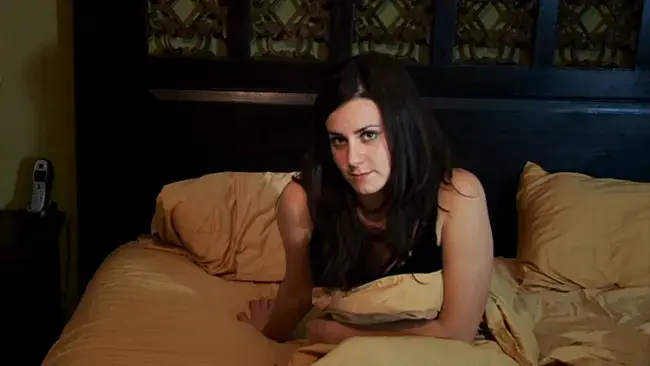
Hollywood is built on stories of unlikely success, but few are as extraordinary as Paranormal Activity. Produced for just $15,000 by first-time filmmaker Oren Peli, the film went on to earn nearly $200 million at the domestic box office, becoming one of the most profitable movies ever made and launching a successful franchise. Its popularity was not the result of a major studio campaign or A-list stars. Instead, it grew from a simple idea that brought horror to suburbia thanks to a filmmaker who was willing to bet everything on himself.
The origins of Paranormal Activity are surprisingly humble. In 2006, Peli was busy renovating his two-storey home in San Diego. He replaced carpets with hardwood flooring, repainted rooms and even installed new bannisters. While it looked like a typical home improvement project from the outside, he had a very different purpose in mind. The renovations were designed to transform his house into the set of a horror film he had been imagining for years.
Making the project even more unusual was the level of secrecy surrounding it. Peli funded the film himself and chose not to tell friends, neighbours or colleagues what he was doing. “I didn’t tell anyone except for the people who were involved in the making of the movie,” Peli recalled in an interview with Yahoo Entertainment. “At that point, I didn’t need anyone discouraging me. I was like, ‘If it sucks, then I don’t have to show it to anyone!'”
That determination would prove to be one of the key ingredients behind the film’s eventual success. Long before he became a filmmaker, Peli had developed a habit of trusting his instincts. Growing up in Israel, he left school at just 16 years old to start his own software company. That risk paid off, and years later he applied the same entrepreneurial mindset to filmmaking.
Following in the footsteps of The Blair Witch Project
Another major factor in Paranormal Activity’s success was perfect timing. Audiences had embraced the found-footage concept after the release of The Blair Witch Project in 1999, but relatively few films had explored the format with the same commitment to realism.
“I loved Blair Witch, and they laid out the formula for how to make found footage movies,” Peli said. “I couldn’t wait to see all the movies that would follow in the footsteps of Blair Witch, and they never came.”
Peli recognised a gap in the market. At the same time, reality television programmes such as Ghost Hunters were attracting substantial audiences. Viewers had become familiar with shaky camera footage and amateur-looking recordings. As a result, audiences were more willing than ever to believe what they were seeing on screen. “People got used to seeing what real footage looks like, and they loved it,” Peli explained. “They knew the difference between something that was scripted and something that looked real.”
Rather than fight against his tiny budget, Peli leaned into authenticity. He decided against writing a traditional screenplay and instead developed a loose outline. The dialogue was almost entirely improvised by lead actors Katie Featherston and Micah Sloat. Their natural chemistry helped create a believable relationship that felt far removed from the polished performances often seen in studio horror films.
“In order for the movie to work, I needed to find actors that could improvise everything and be absolutely authentic,” Peli said. “It was only when I saw Katie and Micah together and saw their chemistry that I was like, ‘Wow, this can actually work.'”
The film’s setting was equally important. Most horror films rely on exotic locations, creepy castles or isolated cabins. Paranormal Activity unfolded almost entirely inside a normal middle-class home. The familiar environment made the haunting feel plausible and immediate. Audiences left cinemas convinced that something similar could happen in their own bedrooms.
Technical ingenuity

Peli also demonstrated remarkable ingenuity behind the camera. Before filming began, he spent months teaching himself editing, visual effects and practical filmmaking techniques. He experimented with lighting, camera placement and effects that would allow doors to move by themselves, sheets to shift mysteriously and characters to appear possessed. One of his smartest decisions involved rearranging his bedroom to create the now-iconic camera angle that captured both the bed and the hallway beyond. “Let’s move it to this wall, and so I can put the camera here and also look down the hallway,” he remembered. “That made a big difference.”
The actual production was astonishingly efficient. The bulk of filming took place over just one week, with Featherston and Sloat effectively living in Peli’s house during the shoot. Daytime scenes were improvised and filmed during daylight hours, while the evenings were reserved for the supernatural sequences that would become the film’s signature moments.
Another lesson that contributed to the movie’s success was Peli’s willingness to listen to audiences. Early viewers repeatedly asked why the film wasn’t showing more timestamps during the overnight recordings. In response, Peli added time and date markers throughout the movie, a small change that significantly increased the sense of realism and anticipation. “One of the things that I didn’t know going in to making the movie: how important it was to get feedback from people,” he admitted.
The film’s journey to cinemas was not straightforward. Many film festivals rejected Paranormal Activity before it found a home at Screamfest in 2007. The strong audience reaction attracted the attention of DreamWorks and Paramount Pictures, eventually leading to a wider release. Even then, Peli resisted certain studio suggestions, particularly changes to the ending. However, test screenings overwhelmingly supported the more dramatic theatrical finale. “At the end of the day, the movie still works,” Peli reflected. “It’s not my preferred ending, but if the audience loves it, I can live with it.”
Ultimately, Paranormal Activity became a box office sensation because it understood something many expensive horror films forget: fear is most effective when it feels real. Peli used ordinary surroundings, believable performances and simple but effective scares to create an experience audiences had never quite seen before. By combining perfect timing, creative problem-solving and an unwavering belief in his own vision, he transformed a secret DIY filmmaking experiment into one of the greatest success stories in horror history.
Discover more on Top 10 Films
30 Scary Movies About Ghosts & Haunted Houses

A selection of the scariest ghost stories in film including modern greats like Paranormal Activity and The Sixth Sense as well as classics such as The Shining and The Haunting.