
 By
By 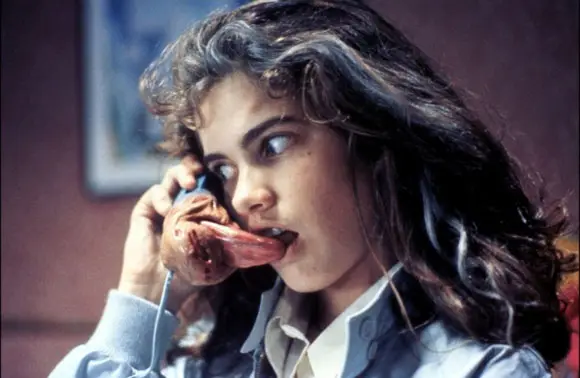
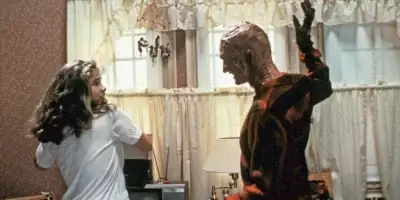
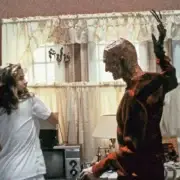
When moviegoers settled into theatres in November 1984 for Wes Craven’s A Nightmare on Elm Street, they were treated to one of the most memorable and haunting climaxes in modern horror history. But behind the scenes, that infamous final minute was born out of a bitter creative war, financial desperation, and a screaming match in a bar.
Craven, who also wrote the film, originally conceived his low-budget slasher with a distinctly philosophical end for heroine Nancy Thompson. Craven wanted a hopeful conclusion where Nancy turns her back on Freddy Krueger, proving that withholding her fear strips the dream monster of his strength. As Craven explained in Freddy Lives: An Oral History of A Nightmare on Elm Street, “I felt that the film should end when Nancy turns her back on Freddy and his violence — that’s the one thing that kills him.”
However, producer and New Line Cinema founder Bob Shaye saw things differently. Having watched the box-office dominance of other slasher franchises, Shaye recognised the commercial necessity of leaving the door open for future instalments. “Wes had written an ending where Heather vanquishes Freddy and goes off to school the next day. It’s beautiful sunshine, and that’s the end. I’d seen Friday the 13th and some other films, and there’s always a zinger at the end. There was no zinger here.”

Wes Craven wasn’t happy with the ending of A Nightmare on Elm Street.
Shaye insisted on an ending that would drag the teenagers away in a killer automobile, setting up an inevitable sequel. Craven vehemently resisted the studio notes, believing that a triumph for Freddy would undercut the emotional core of Nancy’s victory. Craven argued that Shaye’s preferred sequence “reversed everything I was trying to say — it suddenly presented Freddy as triumphant.”
With production pressures mounting, the director and producer scrambled to reach an uneasy middle ground. Their compromise kept Nancy’s metaphorical defeat of Freddy, but added a surreal final sequence: the teenagers board a convertible whose striped fabric roof snaps shut, mirroring Freddy’s iconic red-and-green sweater, before driving off into the fog.
Yet, even after the cameras stopped rolling, the debate burned on. The breaking point arrived during an early family test screening. When Shaye showed the finished cut to his father, Max Shaye, the reaction was far from supportive. The elder Shaye despised the clumsy compromise and let his son have it in public.
“When I showed the film to my dad at a screening, he said, ‘The ending is weird,'” Shaye remembered. “I told him about the awkward compromise Wes and I had made. He said, ‘It’s not good. You gotta change it.’ I said, ‘Dad, I can’t.’ We’re in a bar, and he yells, ‘You’re gonna fuck up this movie!'”
Despite his father’s expletive-laden warning, Shaye stuck to his guns: “We just left it the way it was.”
Craven, however, carried a long-lasting regret over bending to studio demands. “Do I regret changing the ending? I do, because it’s the one part of the film that isn’t me,” he admitted years later.
Ironically, Max Shaye’s fears proved unfounded, while Bob Shaye’s instinct for a franchise anchor paid off immensely. A Nightmare on Elm Street went on to gross over $25 million domestically and almost $60 million worldwide on a tiny $1.1 million budget, transforming New Line Cinema into “The House That Freddy Built” and spawning eight sequels. While Craven’s artistic vision took a minor hit in the final frames, that tense barroom compromise ended up creating one of horror’s most enduring sagas.
Discover more behind the scenes stories on Top 10 Films
Why Nancy Allen Calls “Blow Out” Brian De Palma’s Undisputed Masterpiece

Nancy Allen reflects on Brian De Palma’s Blow Out, sharing how John Travolta transformed the noir thriller into the director’s ultimate cinema masterpiece.